

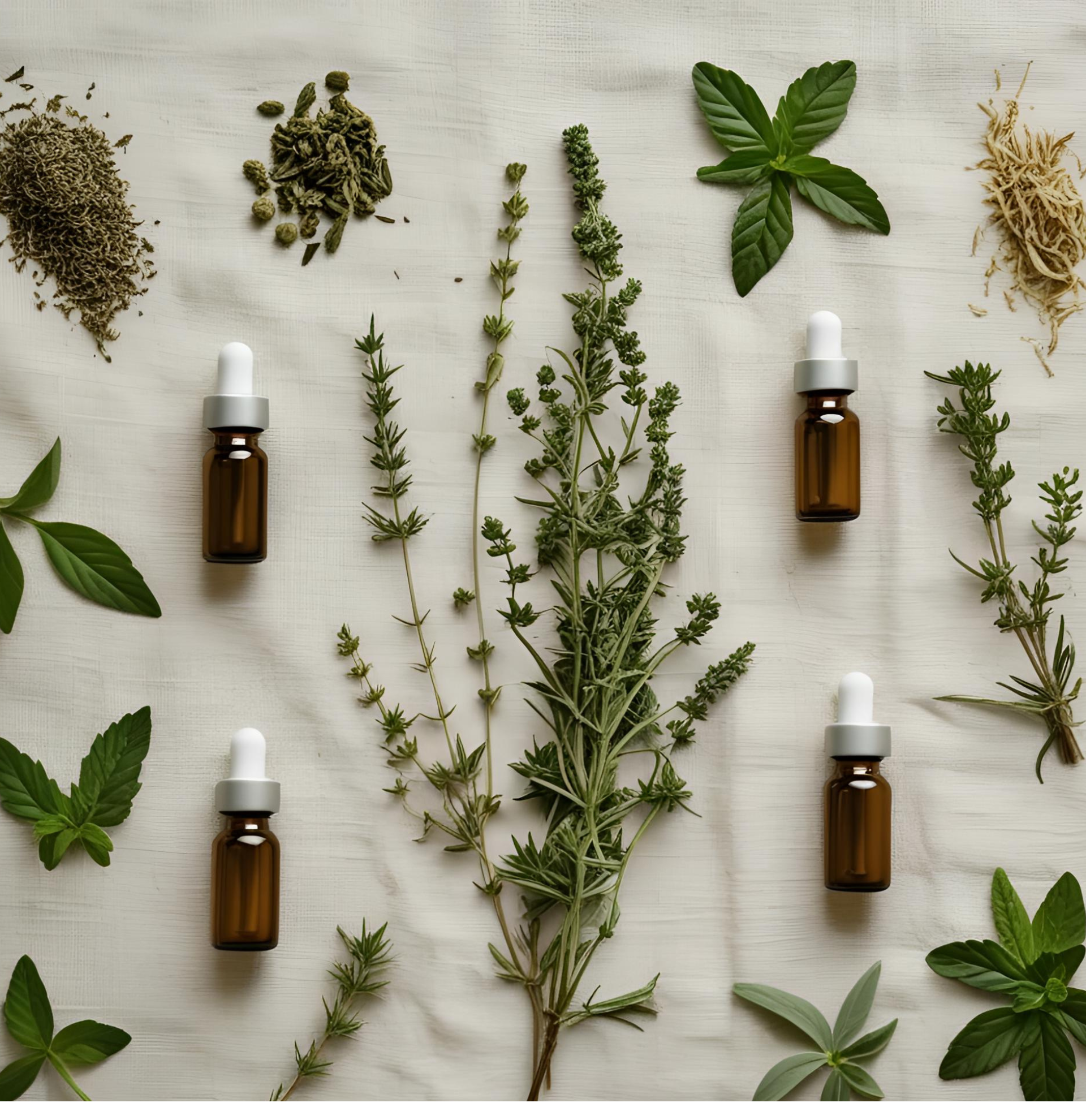
Traditional practices can inspire research, but a history of use does not establish effectiveness or safety for a particular condition. These five ingredients illustrate why it helps to ask what was studied, in whom and in which preparation.
1. Ashwagandha
Ashwagandha is associated with Ayurvedic traditions. Some preparations have promising stress and sleep findings; performance claims need more research. Root powder and standardised extracts should not be treated as equivalent. Read our ashwagandha research guide for the evidence and cautions.
2. Turmeric
Turmeric is familiar as a culinary ingredient and traditional botanical. NCCIH notes that initial findings for knee osteoarthritis are encouraging, but better-quality studies are needed. Different curcumin preparations can behave differently, and some enhanced-absorption products have been linked to liver injury. Read the NCCIH turmeric summary.
3. Chamomile
Chamomile has a long history in herbal preparations. Research on many claimed uses is limited, and preliminary findings do not establish that it treats insomnia. Allergic reactions are possible, especially in people sensitive to related plants, and medicines may interact. Read the NCCIH chamomile summary.
4. Saw palmetto
Saw palmetto is often promoted for prostate and hair concerns. The stronger urinary-symptom evidence is less favourable than older marketing suggests, and hair evidence remains limited. Read our saw palmetto research guide before interpreting benefit claims.
5. Reishi
Reishi is a mushroom used in traditional East Asian practices. Laboratory and animal findings are widely discussed, but they cannot establish benefits for a retail powder in people. Our reishi research guide examines clinical evidence and its limitations.
A better way to compare ingredients
- Identify the exact species, plant part or mushroom material.
- Check whether the product is a plain powder or an extract.
- Look for measured composition where it is actually stated.
- Check whether human research used that preparation.
- Consider medicines, allergies and individual suitability.
Explore the listed retail products for actual specifications. Their inclusion here describes research interest and product identity, not a medical endorsement.
Sources & further reading
- NCCIH: ashwagandha
- NCCIH: turmeric
- NCCIH: chamomile
- NCCIH: saw palmetto
- Klupp et al. (2016): reishi clinical trial
Updated 9 October 2026. This guide provides general education, not a diagnosis or an individual treatment plan. Ingredient research does not establish that a particular retail product will produce the same result.
Explore more ingredient research and guides · Browse retail products